
In the field of transportation, new regulations aim to address contemporary challenges such as reducing carbon emissions, enhancing passenger safety, and combating urban congestion. These measures, often stemming from international agreements or national policies, can significantly transform the industry. They include restrictions on diesel vehicles, requirements for manufacturers to produce electric cars, stricter road safety standards, and encouragement for the development of public transport.
The challenges of new regulations for the transportation sector
The reform of the road package is part of a dynamic aimed at making the transportation sector fairer, more sustainable, and more efficient. Its impact is far from uniform for all stakeholders. The changes to driving and rest times, as well as the limitation of cabotage, are measures that require road transport companies to thoroughly revise their organization. While some will find in these constraints a stimulus to optimize their operations, others will see them as a source of complications, threatening their competitiveness in the market. Daily Auto emphasizes that the implementation of these regulations requires rapid and innovative adaptation from carriers.
At the heart of environmental concerns, decarbonization stands out as a major challenge to reduce the carbon footprint of the transportation sector. Actionable levers include the adoption of alternative powertrains and the implementation of support policies for purchasing less polluting vehicles. This shift towards energy efficiency and ecological transition revolves around initiatives such as the national low-carbon strategy and financial incentives to promote the electrification of transport fleets. In France, like in Europe, significant efforts are being made to adapt its road code to current requirements. The ecological transition, rest for truck drivers, and limiting greenhouse gas (GHG) emissions are vectors of this transformation. Carriers, faced with these new requirements, must consider reorganizing their economic and operational models, while the transport regulatory authority ensures the fairness and effectiveness of these measures.
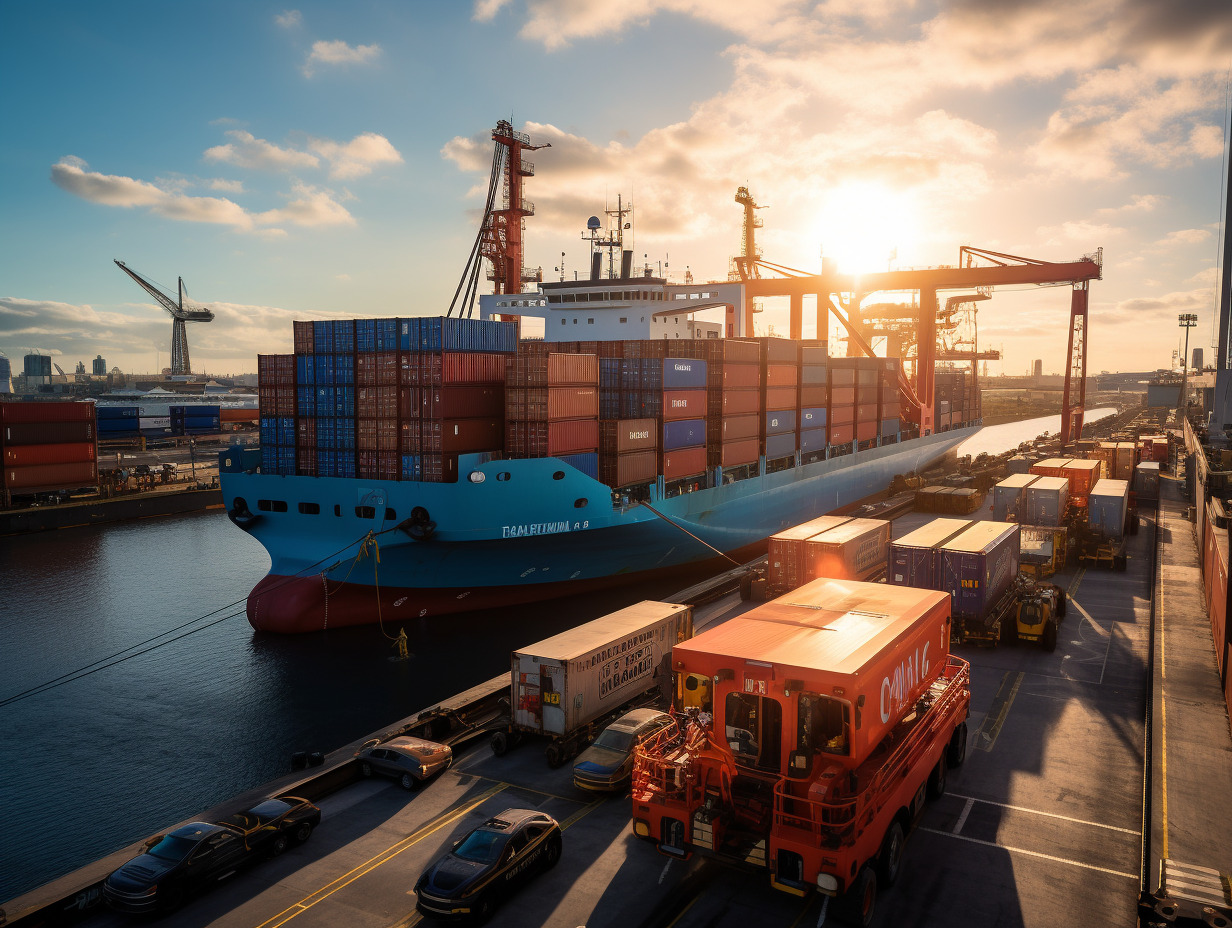
Adaptation and innovation: the response of transport stakeholders to regulations
In the face of new regulations, the road freight transport sector is confronted with a dual challenge: adapting to stricter rules and the consequent increase in costs. These legislative transformations, far from being an absolute hindrance, also open the door to opportunities for operational optimization and encourage companies to make necessary investments in new technologies. Stakeholders who manage to adapt quickly and effectively could thus leverage these changes to strengthen their position in the international freight transport market.
In this era of sustainable development, innovation emerges as an essential driver to meet regulatory requirements. Transport companies are exploring various avenues: acquiring fleets with alternative powertrains, implementing more advanced logistics management systems, or even resorting to the circular economy to streamline their processes. The European Commission, through its directives and support, plays a catalytic role in implementing these changes, encouraging the sector to reinvent itself.
The response of transport stakeholders to regulations is therefore complex and multidimensional. It involves a real transformation of practices, both operationally and strategically. While the constraints may seem strong, they also provide fertile ground for in-depth reflection on the future of freight transport. Companies that anticipate and integrate these developments into their business models could not only comply with current requirements but also position themselves as pioneers of a more responsible and competitive sector on a global scale.