Hemorrhoidal crises affect a large part of the global population (especially those in their forties) and are a significant subject of research for pharmaceutical laboratories. Several remedies have been developed to help individuals suffering from one form or another of hemorrhoids find relief or achieve complete healing. Among all these proposed treatments, what are the best options? Here is some information that will be useful to you.
The different categories of anti-hemorrhoid medications

Generally, three categories of medications are identified for hemorrhoids (internal or external). These categories take into account the different modes of administration of the treatment. These medications can be administered via:
- Oral: in the form of capsules or tablets;
- Topical: in the form of ointments or creams;
- Rectal: in the form of suppositories;
The effectiveness of these different treatments depends on the active ingredient they contain, but even more on the dosage of administration. Therefore, it is advisable to prioritize medical consultations so that the specialist can prescribe the most suitable medication. There are also natural treatments to combat this ailment. But if you are looking for immediate relief, consider a cream to choose here. The soothing effect is noticeable almost quickly.
Over-the-counter medications
Several anti-hemorrhoid medications are available at pharmacies. And within this large group, there is a significant number of treatments that you can purchase without a medical prescription. For the most part, these are creams, ointments, or suppositories. One of the reasons that explains patients’ attraction to this type of medication lies in the assurance that they will not incur any side effects. Furthermore, the anesthetic effect of the plant extracts contained in these medications also contributes to patients’ interest in this category of drugs. Additionally, they are relatively cheaper.
Oral treatments
This type of treatment primarily serves to alleviate symptoms, particularly pain and bleeding. The effectiveness of these treatments depends on the presence of non-steroidal anti-inflammatory drugs and analgesics in these bottles. Although effective, these medications are not recommended for pregnant women. For them, venotonic medications are available. However, as a precautionary measure, you can seek advice from your primary care physician.
It is important to add that taking aspirin, for example, to relieve pain caused by hemorrhoidal crises is prohibited, as it promotes more bleeding.
Suppositories
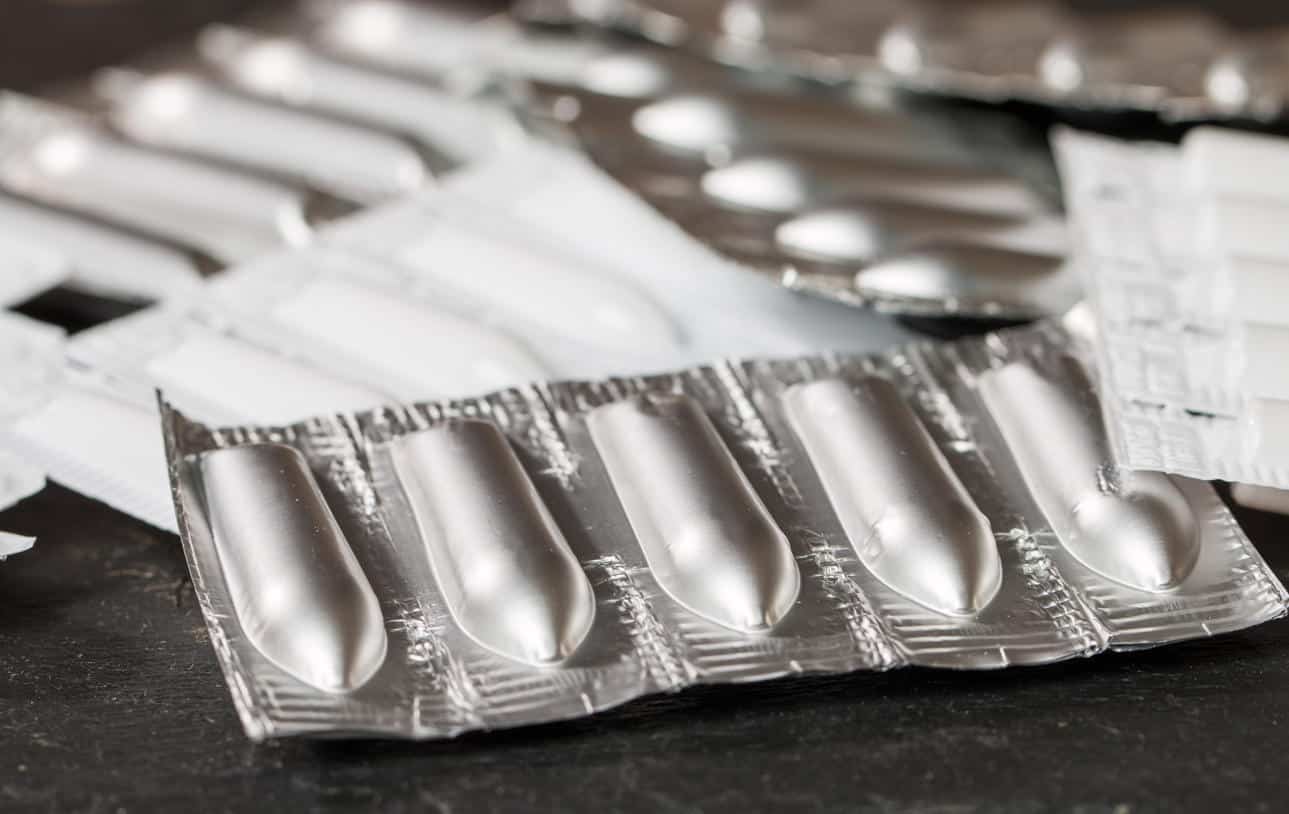
The relief offered by suppositories is almost immediate. They contain desonide, lidocaine hydrochloride, and many others. It is to this combination of components that most suppositories owe their healing, analgesic, and anti-inflammatory properties. This treatment is recommended for pregnant women and those who are breastfeeding. No side effects should occur.
The treatments mentioned above, as you can see, have a curative action. Additionally, the prevention of these crises takes into account good dietary hygiene and especially personal hygiene. In case of serious complications, go to a health center for treatment.