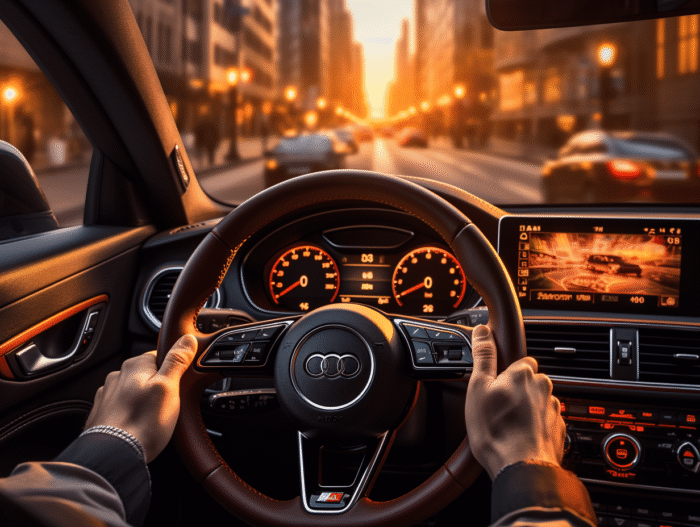
The warning lights on a car’s dashboard are essential for communicating with the driver. These indicators can signal a simple maintenance need, such as an oil change, or alert to a potentially serious problem, such as a malfunctioning engine. Understanding these signals is fundamental for the safety and longevity of the vehicle. With a range of popular models on the market, each having its own set of specific lights, it is imperative for vehicle owners to learn to correctly interpret these warnings to keep their car in good working order.
Understanding Key Dashboard Indicators
The dashboard, an essential component of the vehicle, serves as the nerve center for the information transmitted to the driver. Key indicators, such as the speedometer, fuel level, tachometer, and warning lights, are arranged on this dashboard to provide critical real-time data. Mastery of these indicators means control, allowing for appropriate reactions to various driving situations.
The Clio 4 light, for example, illustrates the necessity of a fine understanding of signals. A warning light activating on this specific model requires immediate attention; whether it is an oil pressure alert, a braking issue, or simply a maintenance required indication. Each light symbol carries a precise message, a clear directive for action or precaution to be taken.
Keep in mind that the meaning of a light can vary from one vehicle model to another. Familiarizing oneself with the owner’s manual of their own vehicle is a wise step. This preventive knowledge helps avoid misinterpretations that could lead to harmful neglect of the car’s mechanics.
Performance indicators, such as the engine temperature gauge or system warning light, are also significant. An unexpectedly lit engine light can, for example, signal overheating, necessitating an immediate stop of the vehicle to avoid irreversible damage. Vigilance and responsiveness are essential for safe driving, optimal maintenance management, and preserving the vehicle’s value over time.

Practical Guide for the Most Popular Car Models
The car models that capture market attention often stand out for their careful balance of quality, price, and features. These vehicles, valued for their reliability and efficiency, require a keen understanding of their specific dashboards. Practical guides then emerge as valuable tools, allowing for the deciphering of nuances between different indicators and warning lights.
The Ford Focus, cited as a benchmark among appreciated models, features dashboard indicators that reflect industry standards. The ABS braking system, tire replacement alert, or damaged bumper warning are specific signals for this model, whose correct interpretation is synonymous with safety and the vehicle’s longevity.
Develop a strategy to familiarize yourself with your chosen model. Take the time to consult the owner’s manual, study feedback from other drivers, and stay informed about the latest updates from manufacturers. This proactive approach will equip you with the necessary knowledge to effectively interact with your vehicle’s systems.
Consider consumer reviews and crash test results as indicators of the popularity and reliability of car models. These elements, coupled with a detailed analysis of dashboard features, will guide you in selecting the model best suited to your needs. Performance, safety, and maintenance costs are determining factors in the decision-making process, directly influencing the driving experience and long-term satisfaction.